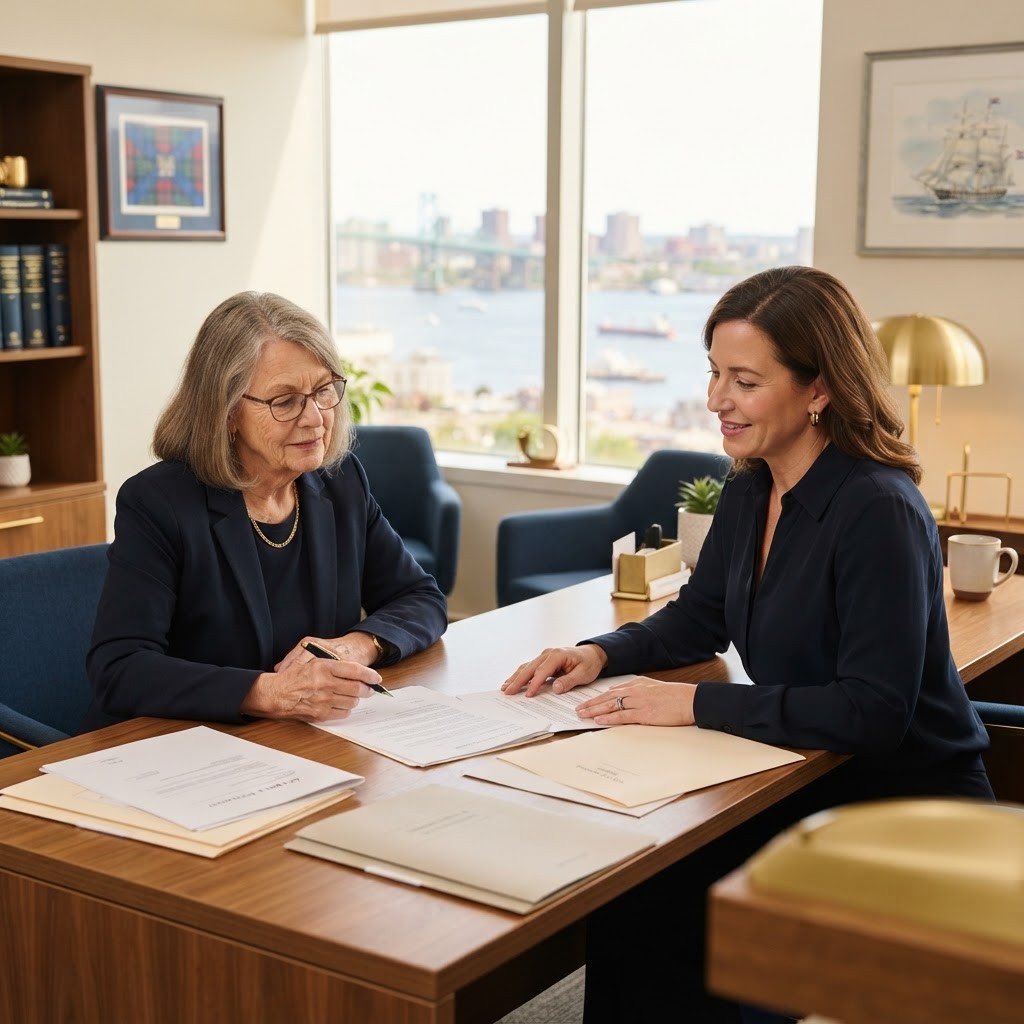
When someone is thinking about making or updating a will, families often ask an uncomfortable question: does this person still have the legal capacity to make these decisions? The concern may arise after a dementia diagnosis, a stroke, an injury, or a period of confusion. Sometimes the person is perfectly clear on some days and struggles on others.
Capacity is not determined simply by age or by a medical diagnosis. It is specific to the decision being made and the time when the decision is made. That is why early estate planning is so important, and why a concern about capacity should be handled carefully rather than postponed.
What does capacity mean when making a will?
In general terms, a person making a will must understand that they are creating a document that deals with what happens to their property after death. They also need to understand, in a general way, what they own, who might reasonably expect to benefit from their estate, and the decisions they are making in the will.
The person must also be able to make their own decisions. A will should reflect the person’s wishes, not the wishes of a relative, caregiver, or anyone else who is pressuring them. A person may need help hearing, reading, communicating, or remembering an appointment, but assistance with those practical matters is different from someone else making the decisions for them.
A diagnosis is not the same as incapacity
Dementia and other medical conditions can affect memory, judgment, communication, and decision-making. But a diagnosis alone does not automatically answer whether a person can make a will. Capacity can vary between people, and it can vary over time.
The important question is not simply, “Does this person have dementia?” It is, “Was this person able to understand and make these particular decisions when the will was prepared and signed?” That assessment belongs to the professionals involved in the will process. A family member should not attempt to make that determination alone.
Why timing matters
If someone is beginning to experience memory or cognitive difficulties, waiting can make the situation more complicated. A person may still be able to make a will now but may lose that ability later. Delaying the conversation can reduce the available options and increase family stress.
Planning earlier also gives the person more time to think, ask questions, compare options, and make decisions without feeling rushed. It can be easier to see that the choices are genuinely theirs when the planning takes place calmly, before a crisis.
What is a lucid interval?
Some people have periods when they are clearer and more focused than at other times. Families sometimes call this a “lucid interval.” A period of clarity may be relevant, but it should not be treated as a shortcut or a guarantee that a will can be signed without careful assessment.
If capacity is in question, the timing and circumstances of the appointment matter. The professional preparing the will may need to speak with the person directly, make sure the instructions are understood, and consider whether additional safeguards or medical information are appropriate. A doctor’s letter may sometimes be helpful, but it is not automatically required in every situation and it does not replace the professional assessment of the will-making process.
Warning signs that deserve attention
Families should consider getting advice promptly if they notice:
- Sudden or unexplained changes to a will or estate plan.
- A person who cannot explain, even generally, what they own or what the will is intended to do.
- Strong pressure from a beneficiary or caregiver to arrange the appointment or control the conversation.
- Confusion about close family members, important relationships, or the reason for the appointment.
- A pattern of fluctuating understanding that makes it difficult to know whether instructions are consistent.
These signs do not prove that a person lacks capacity. They do suggest that the matter should not be delayed or handled casually.
How families can support the process
The best support is usually respectful and practical. Encourage the person to start planning early, arrange appointments when they are normally at their clearest, and allow them to speak for themselves. Avoid coaching answers or turning the appointment into a family meeting where others dominate the conversation.
It may be helpful for the person to bring a current list of assets, existing documents, and the names of people they want to consider. They should also think about backup choices for important roles. Preparation can make the appointment more efficient, but the decisions must remain the person’s own.
Privacy is important as well. A person should have an opportunity to give instructions privately when appropriate. If family members disagree with the person’s choices, that disagreement does not by itself mean the person cannot make a will.
What if capacity is no longer present?
If a person no longer has the ability to make a will, family members generally cannot simply make one for them or sign on their behalf. Existing planning documents may still be important, including a valid power of attorney or personal directive, but each document has its own purpose and limits.
This is one reason a complete estate-planning conversation should be considered before a crisis. A will deals with estate distribution after death. A power of attorney can address financial and legal matters during life, while a personal directive can address personal-care decisions. These documents work together, but they are not interchangeable.
The safest next step
If you are concerned about a parent, spouse, or another family member, do not pressure the person to sign immediately and do not assume that a diagnosis settles the issue. Arrange a confidential appointment with an estate planning professional who can assess the situation and explain the available options.
For more information about wills and related documents, visit the Worry Free Will services page at https://worryfreewill.ca/services/legal-will.php and the estate planning page at https://worryfreewill.ca/services/estate-planning.php. Worry Free Will serves clients in Halifax and Dartmouth, Nova Scotia. Specific situations require individual assessment, so booking an appointment is the appropriate way to discuss the circumstances.
Planning early can protect a person’s independence and make their wishes easier for everyone to understand. It can also reduce the chance that an important conversation is forced during a later crisis.